From CUDA to MLX: How K-Search Brings Decades of Kernel Expertise to Apple Silicon
29/07/2026 09:00 – The Berkeley Artificial Intelligence Research Blog
Figure 1: CUDA-to-MLX optimization translation map. CUDA optimization knowledge can be translated into architecture-native MLX strategies rather than copied instruction-for-instruction. We face a new epoch…

Teaching LLMs to Update Beliefs for Efficient Long-Horizon Interaction
26/07/2026 09:00 – The Berkeley Artificial Intelligence Research Blog
.abbel-fig { display: block; text-align: center; margin: 2.4em 0; line-height: 1.4; max-width: 100%; } .abbel-fig img { display: block; margin: 0.65em auto 0; height: auto;…

Intelligence is Free, Now What? <br> Data Systems for, of, and by Agents
07/07/2026 09:00 – The Berkeley Artificial Intelligence Research Blog
… government of the people, by the people, for the people … — Abraham Lincoln, Gettysburg Address (1863) The cost of AI is dropping rapidly.…

2026 BAIR Graduate Showcase
01/07/2026 09:00 – The Berkeley Artificial Intelligence Research Blog
Congratulations to the Berkeley Artificial Intelligence Research (BAIR) Lab class of 2026! This year, BAIR celebrates another remarkable group of Ph.D. graduates whose curiosity, creativity,…
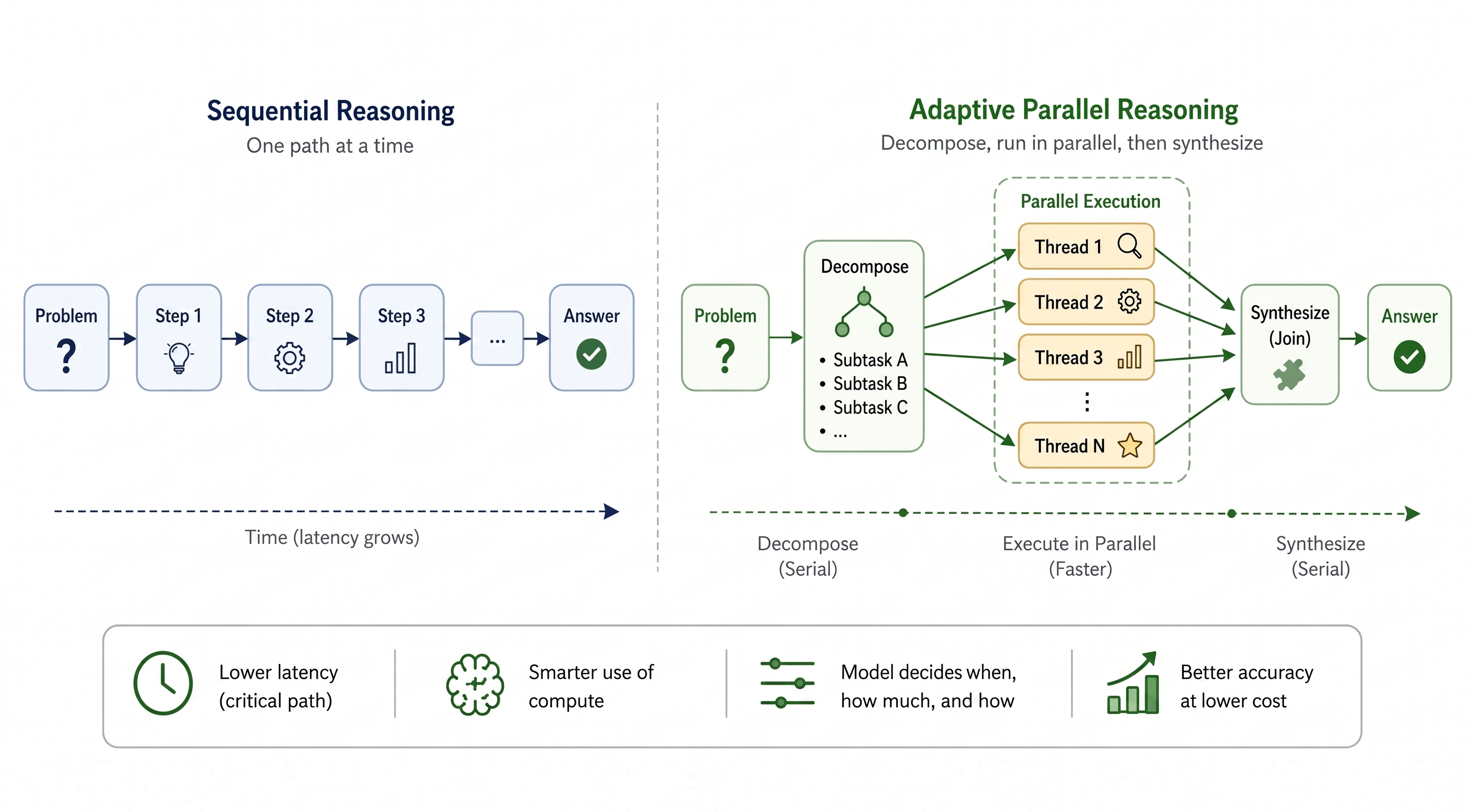
Adaptive Parallel Reasoning: The Next Paradigm in Efficient Inference Scaling
08/05/2026 09:00 – The Berkeley Artificial Intelligence Research Blog
.apr-fig { text-align: center; margin: 1.35em 0; line-height: 1.4; } .apr-fig–wide img { display: inline-block; width: 100%; max-width: 100%; height: auto; vertical-align: middle; } .apr-fig–wide-0-8…

Gradient-based Planning for World Models at Longer Horizons
20/04/2026 09:00 – The Berkeley Artificial Intelligence Research Blog
.grasp-results-table table { font-size: 0.875rem; line-height: 1.35; width: 100%; } .grasp-results-table th, .grasp-results-table td { padding: 0.35rem 0.5rem; } /* Consistent whitespace between major sections…
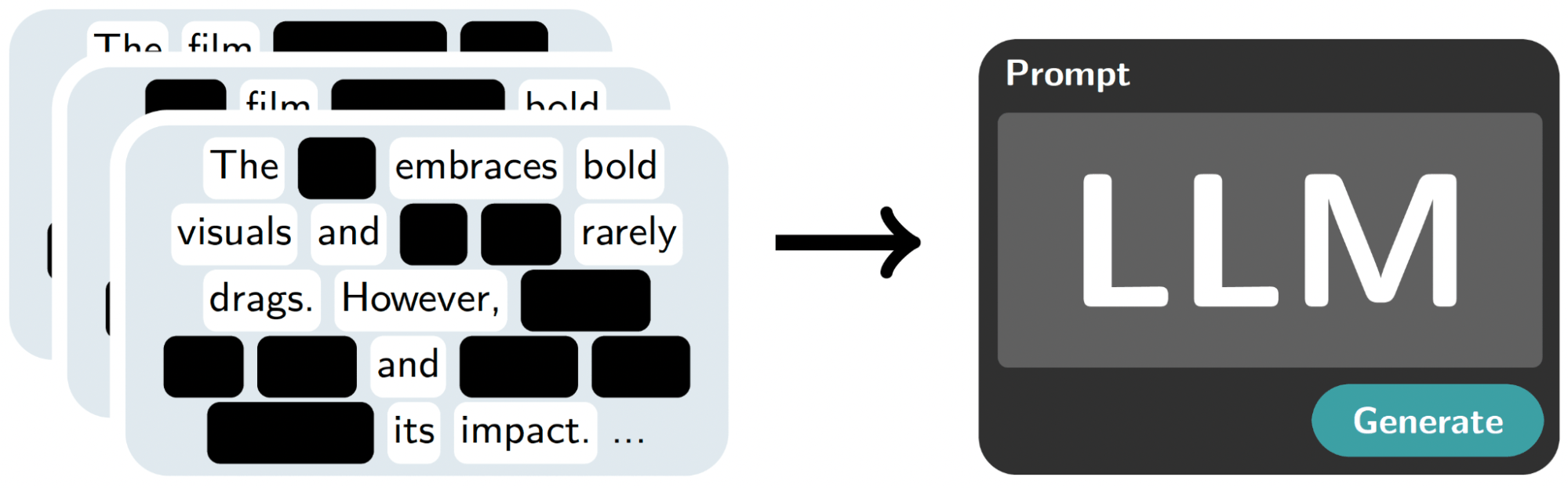
Identifying Interactions at Scale for LLMs
13/03/2026 09:00 – The Berkeley Artificial Intelligence Research Blog
<!– –> Understanding the behavior of complex machine learning systems, particularly Large Language Models (LLMs), is a critical challenge in modern artificial intelligence. Interpretability research…
Information-Driven Design of Imaging Systems
10/01/2026 09:00 – The Berkeley Artificial Intelligence Research Blog
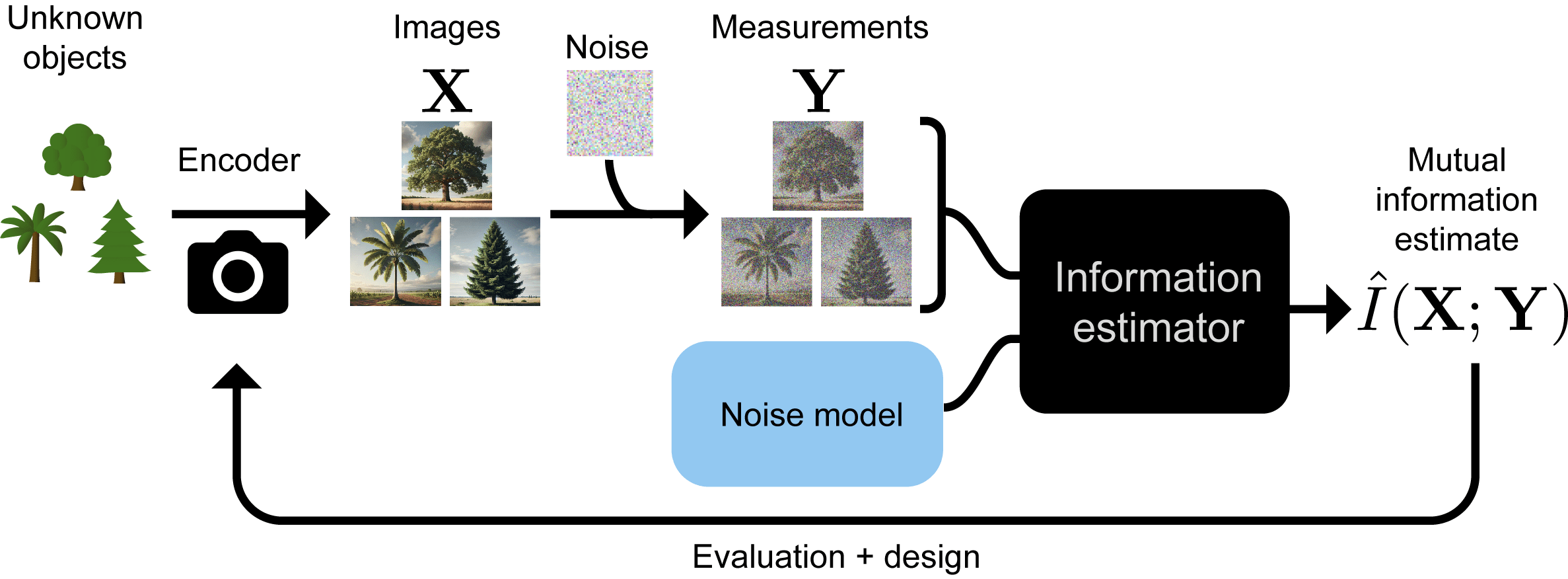
An encoder (optical system) maps objects to noiseless images, which noise corrupts into measurements. Our information estimator uses only these noisy measurements and a noise…

RL without TD learning
01/11/2025 09:00 – The Berkeley Artificial Intelligence Research Blog
In this post, I’ll introduce a reinforcement learning (RL) algorithm based on an “alternative” paradigm: divide and conquer. Unlike traditional methods, this algorithm is not…

What exactly does word2vec learn?
01/09/2025 09:00 – The Berkeley Artificial Intelligence Research Blog
What exactly does word2vec learn, and how? Answering this question amounts to understanding representation learning in a minimal yet interesting language modeling task. Despite the…